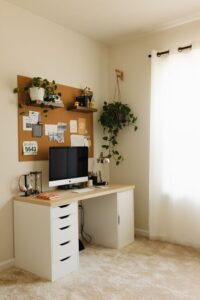
Tips for Creating a Cozy and Inviting Home Workspace

Creating a cozy and inviting home workspace is essential for staying productive and comfortable while working from home. Your workspace should inspire creativity, help you focus, and be a place you enjoy spending time in. Whether you have a dedicated room or just a small corner, there are many ways to make your workspace more welcoming and functional. In this guide, we’ll explore practical tips for designing a home workspace that feels both cozy and productive.
Why a Comfortable Workspace Matters
Having a workspace that feels inviting can improve your mood and motivation. When your environment is pleasant, it’s easier to concentrate and get through your tasks efficiently. It also helps to reduce feelings of stress and burnout that can come with long hours of work. Investing a little time and effort into your workspace can lead to better work habits and enhanced well-being.
Choose the Right Location
Selecting the best spot for your home workspace is the first step.
– Natural Light: Try to place your desk near a window if possible. Natural light lifts your spirits and reduces eye strain.
– Low Traffic Areas: Avoid noisy or high-traffic parts of your home to minimize distractions.
– Space for Movement: Have enough room to stretch and move around comfortably.
Even a small nook can become a perfect workspace with the right setup.
Invest in Ergonomic Furniture
Comfort is key when you spend hours at your desk.
– Ergonomic Chair: Choose a chair that supports your back and promotes good posture. Adjustable height and lumbar support are big pluses.
– Proper Desk Height: Your desk should allow your elbows to rest comfortably at about a 90-degree angle.
– Footrest: If your feet don’t touch the floor naturally, use a footrest to avoid strain.
Comfortable furniture helps prevent fatigue and physical discomfort.
Use Warm, Inviting Colors
Colors can influence your mood and energy.
– Soft Neutrals: Shades like beige, soft gray, or pale blue create a calm atmosphere.
– Accent Colors: Add pops of color with accessories like pillows, rugs, or wall art to add personality and warmth without overwhelming the space.
– Avoid Harsh Colors: Bright whites and high-contrast colors may feel clinical or draining.
Choose colors that make you feel relaxed and focused.
Add Personal Touches
Your workspace should feel uniquely yours.
– Photos and Artwork: Include images that inspire or comfort you.
– Plants: Greenery adds life to your space, improves air quality, and has a calming effect.
– Decorative Items: Use candles, sculptures, or meaningful objects to add charm without cluttering.
Personal touches make the space feel welcoming and boost your creativity.
Organize and Declutter
A tidy space helps your mind stay clear.
– Storage Solutions: Use shelves, bins, and organizers to keep supplies neat and accessible.
– Regular Clean-up: Set aside time weekly to clear clutter and reset your workspace.
– Cable Management: Keep cords and chargers organized using clips or sleeves.
An organized desk reduces distractions and improves efficiency.
Optimize Lighting
Good lighting reduces eye strain and enhances your workspace ambiance.
– Layered Lighting: Combine overhead lights, task lamps, and natural light sources.
– Adjustable Desk Lamp: Allows you to direct light where you need it most.
– Warm Bulbs: Soft, warm light is easier on your eyes than harsh fluorescent lighting.
Proper lighting creates a comfortable and productive environment.
Incorporate Comfort Accessories
Small additions can make a big difference.
– Cushions or Throws: For extra comfort on your chair during long sessions.
– Ergonomic Keyboard and Mouse: Reduce hand strain if you type a lot.
– Noise-Canceling Headphones: Helpful if your space isn’t completely quiet.
Comfort accessories support your physical well-being and help you focus.
Set Boundaries and Maintain Routine
Creating a cozy workspace is just part of the equation. Setting boundaries keeps work and home life balanced.
– Dedicated Work Hours: Stick to a schedule that signals work time and personal time.
– Work Zone Only: Use your workspace only for work-related tasks to maintain mental separation.
– Break Areas: Take breaks away from your desk to refresh your mind.
Establishing routines and boundaries promotes productivity and reduces burnout.
Final Thoughts
Designing a cozy and inviting home workspace doesn’t require a complete overhaul. By choosing the right location, investing in comfort, adding personal touches, and keeping things organized, you can create a space that supports your work and well-being. Remember that your workspace is an extension of you—make it a place where you feel motivated, comfortable, and inspired every day.