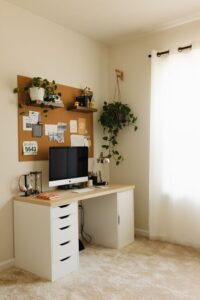
Tips for Creating a Productive Home Office Space

Creating a productive home office space is essential for anyone who works remotely or spends significant time working from home. A well-designed workspace can help you stay focused, reduce stress, and improve your overall work performance. Whether you have a dedicated room or just a small corner in your living space, these tips will guide you in setting up an efficient and comfortable home office environment.
Why a Productive Home Office Matters
Working from home offers flexibility but also presents challenges, such as distractions and blurred boundaries between personal and professional life. A thoughtfully arranged home office can help you establish a routine, maintain concentration, and separate work time from leisure.
Choosing the Right Location
Find a Quiet Corner
Select a spot with minimal noise and interruptions. If possible, use a separate room to create a physical boundary from the rest of your home life.
Consider Natural Light
Natural light improves mood and energy levels. Position your desk near a window to take advantage of daylight. If natural light is limited, invest in good quality artificial lighting that mimics daylight.
Ensure Good Ventilation
Fresh air is important to keep you alert and comfortable. Avoid cramped areas without airflow, and consider a small fan or air purifier if needed.
Setting Up Your Workspace
Invest in a Comfortable Chair
Since you’ll be sitting for hours, a supportive chair with adjustable height and back support is crucial to prevent back pain and maintain good posture.
Choose the Right Desk
Pick a desk that fits your space but also allows you to organize your work materials. A desk with storage or shelves can be helpful to keep clutter at bay.
Organize Your Supplies
Keep essential office supplies within easy reach to avoid frequent breaks in concentration. Use trays, bins, or drawer organizers to keep your items neatly stored.
Manage Cords and Electronics
Use cable organizers or clips to keep cords tidy and prevent accidental disconnections or tripping hazards.
Personalizing Your Space
Add Inspirational Elements
Display photos, artwork, or quotes that motivate you. Personal touches create a welcoming environment that encourages productivity.
Use Color Wisely
Soft, neutral colors promote calm, while brighter colors can boost energy. Choose colors that suit your work style and preferences.
Incorporate Plants
Houseplants improve air quality and add a bit of nature to your space, which can reduce stress and increase focus.
Establishing a Routine
Set Clear Work Hours
Define when your workday starts and ends to maintain a healthy work-life balance.
Take Regular Breaks
Use techniques like the Pomodoro method—work for 25 minutes, then take a 5-minute break—to maintain concentration and avoid burnout.
Minimize Distractions
Turn off notifications or use apps that block distracting websites during work periods. Communicate your work schedule to family or housemates.
Maintaining Ergonomics and Health
Monitor Screen Height
Your computer screen should be at eye level to avoid neck strain. Use a monitor stand or stack books under your laptop if necessary.
Use an External Keyboard and Mouse
These tools allow better hand positioning and reduce the risk of repetitive strain injuries.
Stay Hydrated and Stretch
Keep water nearby, and incorporate simple stretching exercises throughout the day to stay comfortable and alert.
Keeping Your Workspace Tidy
Daily Cleanup
Spend a few minutes each day organizing your desk to start fresh each morning.
Declutter Regularly
Every week, review your supplies and papers to discard or file what’s no longer needed.
Use Storage Solutions
Shelves, filing cabinets, and desk organizers help keep your workspace neat and efficient.
Adapting Your Space Over Time
Your needs may change as you work from home longer. Be open to rearranging or upgrading your setup to stay productive and comfortable.
—
Creating a productive home office doesn’t require a large space or expensive equipment. By thoughtfully choosing your location, setting up ergonomically, organizing effectively, and personalizing your environment, you can create a workspace that supports your focus and well-being every day. Start small, be consistent, and enjoy the benefits of a functional home office.