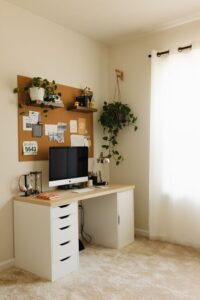
Tips for Creating a Relaxing Home Workspace to Boost Productivity
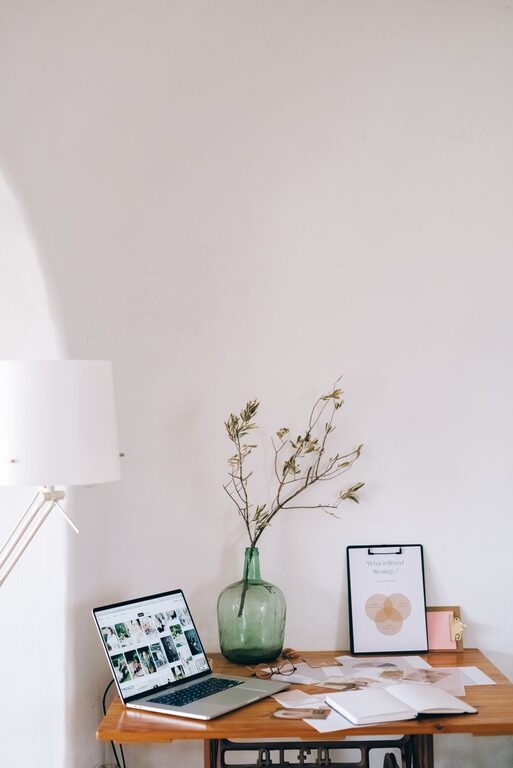
Creating a relaxing home workspace is essential for maintaining productivity and minimizing stress, especially as many people navigate remote work or flexible schedules. A well-thought-out workspace can help you stay focused, feel calm, and enjoy your workday more. Here are some easy and effective tips to help you create a home office environment that supports both relaxation and productivity.
Choose the Right Location
The first step in creating a relaxing workspace is selecting the best spot in your home. Consider the following:
– Quiet area: Pick a location away from household noise like TVs or busy kitchens.
– Natural light: A space near a window can boost mood and reduce eye strain.
– Privacy: Choose a corner or room where you won’t be easily disturbed.
If space is limited, even a dedicated desk in a shared room can work, as long as you personalize and separate it visually from other living areas.
Declutter and Organize
A messy desk or surrounding area can distract you and increase stress. Keep your workspace tidy by:
– Removing items you don’t need daily
– Using organizers like trays, drawers, or shelves for supplies
– Keeping cables and electronics neatly arranged
Having an organized space clears mental clutter and makes it easier to find what you need quickly.
Personalize Your Space
Adding personal touches helps make your workspace inviting and comfortable, which can encourage longer focus sessions.
– Choose calming colors like soft blues, greens, or neutrals for decor or accessories
– Add plants for a natural touch and improved air quality
– Hang artwork or photos that inspire or relax you
Just a few thoughtful details can transform your workspace into a place you enjoy being.
Invest in Comfortable Furniture
Ergonomic furniture supports both your body and productivity.
– Use an adjustable chair that supports good posture
– Select a desk height that allows your elbows to bend at a right angle
– Consider a standing desk or sit-stand converter for movement breaks
Comfortable furniture reduces physical strain and helps you stay focused throughout the workday.
Control Lighting and Reduce Glare
Lighting makes a big difference in your workspace comfort.
– Maximize natural light, but use blinds or curtains to control brightness
– Combine overhead lighting with desk lamps for balanced illumination
– Position your computer to avoid screen glare
Proper lighting reduces eye fatigue and creates a pleasant atmosphere.
Minimize Noise and Distracting Sounds
A quiet environment helps maintain concentration.
– Use noise-cancelling headphones to block distractions
– Play soft background music or white noise if it helps you focus
– Consider soundproofing options like rugs, curtains, or acoustic panels
Creating auditory calm can improve your ability to stay on task.
Establish a Routine and Boundaries
Your workspace should signal to your brain that it’s time to work.
– Set specific work hours and stick to them
– Use your workspace only for work to build clear associations
– Take regular breaks away from your desk to recharge
Routines and boundaries help you maintain a healthy work-life balance.
Incorporate Relaxation Tools
In addition to promoting work, your space should encourage relaxation when needed.
– Keep stress-relief items handy, such as a small hand massager or stress ball
– Use aromatherapy with essential oils like lavender to reduce tension
– Include comfortable seating for short breaks or reading
Having ways to unwind nearby can help you regroup and return to tasks refreshed.
Optimize Technology Setup
Your tech setup affects both efficiency and comfort.
– Use a good-quality monitor at eye level to reduce neck strain
– Invest in a reliable keyboard and mouse for ease of use
– Make sure your internet connection is stable to avoid frustration
Reliable and comfortable technology supports smooth work sessions.
Add Greenery and Fresh Air
Plants are a simple way to improve your environment.
– Choose low-maintenance plants like succulents, snake plants, or pothos
– Open windows periodically to let in fresh air
– Use an air purifier if needed to improve indoor air quality
Natural elements promote better focus and boost overall well-being.
—
Creating a relaxing home workspace doesn’t have to be complicated or expensive. By focusing on comfort, organization, personalization, and a calming environment, you can design a space that not only helps you work efficiently but also supports your mental wellbeing. Start with small changes and adjust your setup until it feels just right for you. A well-crafted workspace is a key step toward making your home workday more productive and enjoyable.