
Tips for Creating a Cozy and Inviting Home Environment
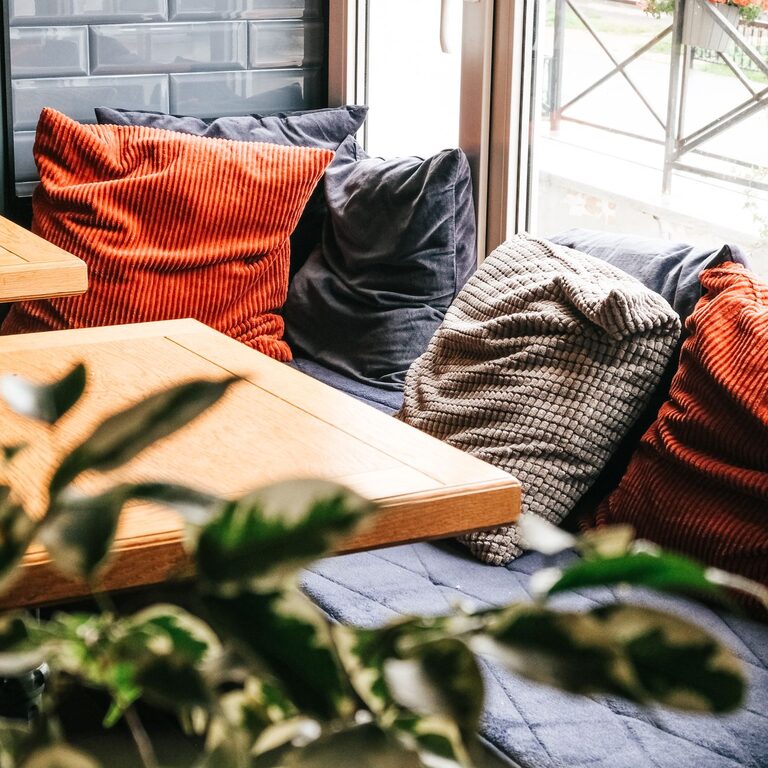
Creating a cozy and inviting home environment is something many of us strive for. Whether you live alone or with family, the way your home feels can greatly influence your mood and overall well-being. A warm and welcoming space encourages relaxation, connection, and happiness. In this post, we’ll explore practical tips to help you transform your home into a comforting haven.
Understand What Makes a Home Cozy
Before jumping into decorating, it’s helpful to understand what “cozy” really means. A cozy space typically feels:
– Warm and comforting
– Inviting and safe
– Personal and lived-in
– Relaxed and uncluttered
By keeping these qualities in mind, you can focus on changes that truly enhance the atmosphere in your home.
Use Warm and Soothing Colors
Color impacts how a space feels. To create warmth and calm, choose colors that evoke comfort:
– Soft neutrals like beige, cream, and taupe
– Earthy tones such as warm browns, muted greens, and terracotta
– Pastels like dusty rose, light blues, and gentle greys
Avoid overly bright or stark colors that might create a harsh or cold feeling. Use your chosen palette consistently for walls, furniture, and décor accents to keep the space cohesive.
Choose Comfortable and Inviting Furniture
Furniture sets the tone for how comfortable a room feels. Look for:
– Soft, plush sofas and chairs with supportive cushions
– Throws and pillows in varied textures like wool, knit, or faux fur
– Furniture with rounded edges and natural materials like wood or rattan
Arrange seating areas to encourage conversation and ease of movement. Avoid overcrowding the room with too many pieces, which can make it feel cramped.
Layer Your Lighting
Lighting plays a huge role in the ambiance of your home. To add warmth and make your space inviting:
– Use multiple light sources such as floor lamps, table lamps, and wall sconces
– Opt for warm white or soft yellow bulbs instead of cool white
– Incorporate candles or fairy lights for a gentle glow in the evenings
Adjustable or dimmable lighting lets you create different moods depending on the time of day or activity.
Add Textiles for Texture and Warmth
Textiles help soften hard surfaces and add depth. Consider including:
– Area rugs with plush or natural fibers to warm up floors
– Cozy blankets draped over sofas or beds
– Curtains made from heavier fabrics for both insulation and privacy
Don’t be afraid to mix textures like linen, wool, velvet, and cotton for a rich, layered look.
Personalize with Meaningful Décor
Your home should reflect your personality and tell your story. Add personal touches such as:
– Family photos in simple frames
– Artwork or prints you love
– Books, plants, or travel souvenirs displayed on shelves
Decor that has meaning creates a sense of belonging and makes guests feel welcomed into your world.
Keep Clutter to a Minimum
A cluttered space can feel chaotic, which disrupts coziness. Consider these tips:
– Regularly declutter and organize your belongings
– Use baskets, boxes, or hidden storage to keep things tidy
– Maintain surfaces clear except for a few key decorative items
A neat environment lets calming colors, textures, and layout shine through.
Bring Nature Inside
Natural elements connect us to the outdoors and boost comfort:
– Incorporate houseplants to improve air quality and add greenery
– Use wooden furniture, woven baskets, or stone accents
– Place fresh flowers or seasonal branches on tables for an organic touch
Even small windowsills with plants help bring life into your space.
Create Zones for Relaxation
If your home has enough space, set up small areas dedicated to relaxation:
– A reading nook with a comfy chair, good lighting, and a small side table
– A meditation corner with floor cushions and soft blankets
– A breakfast nook that invites slow mornings and cozy meals
Having dedicated spots to unwind helps make your home more inviting and functional.
Maintain a Comfortable Temperature
Temperature comfort is essential for feeling cozy:
– Ensure your heating and cooling systems keep the room at a comfortable level
– Use draft stoppers or heavy curtains to regulate indoor climate
– Embrace seasonal changes with appropriate blankets, slippers, or fans
When your home feels physically comfortable, it encourages everyone to settle in and relax.
—
By focusing on these simple but impactful changes, you’ll create a home environment that feels cozy, warm, and inviting. Remember, making your home comfortable is an ongoing process — be patient and enjoy the transformation step by step. Your cozy space awaits!