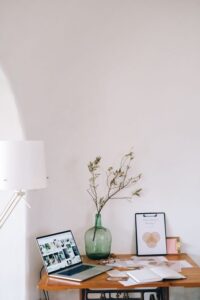
Tips for Creating a Cozy and Functional Home Office Space
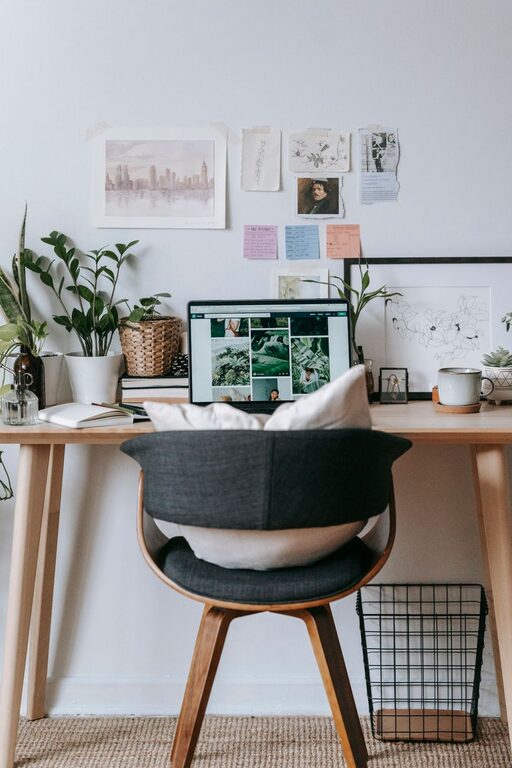
Creating a home office that balances comfort and functionality is essential for staying focused and motivated while working from home. A well-designed workspace can boost productivity, reduce stress, and make your daily tasks more enjoyable. Whether you have a dedicated room or just a small corner, these tips will help you build a cozy and efficient office space tailored to your needs.
Choose the Right Location
Finding the perfect spot for your home office is the first step. Ideally, select a quiet area that minimizes distractions and has enough space for your work essentials.
– Natural Light: Position your desk near a window to take advantage of natural light. This helps reduce eye strain and improves mood.
– Away from Noise: Avoid high-traffic areas or noisy spots to maintain concentration.
– Space Considerations: Ensure there’s enough room for your desk, chair, and storage without feeling cramped.
Invest in Ergonomic Furniture
Comfort is key when working for long hours. Ergonomic furniture supports good posture and prevents discomfort.
– Ergonomic Chair: Choose a chair with adjustable height, lumbar support, and comfortable cushioning.
– Desk Height: Your desk should allow your forearms to rest parallel to the floor when typing.
– Monitor Position: Place your computer screen at eye level, about 20-30 inches from your face.
Organize with Smart Storage Solutions
Keeping your workspace tidy can improve efficiency and reduce stress. Use storage options that fit your space and style.
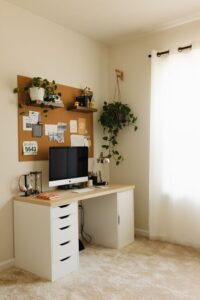
– Shelves and Cabinets: Wall-mounted shelves save floor space and keep items within reach.
– Desk Organizers: Use trays, boxes, or drawer dividers for stationery and small tools.
– Cable Management: Prevent clutter with cable clips or sleeves to keep cords neat.
Add Personal Touches
A home office should feel inviting, reflecting your personality while maintaining professionalism.
– Decor: Hang art or photos that inspire you.
– Plants: Indoor plants boost air quality and add a touch of nature.
– Comfort Items: Consider a cozy throw blanket or a soft rug to make the space warmer.
Optimize Lighting
Proper lighting reduces eye strain and creates a pleasant atmosphere.
– Task Lighting: Use adjustable desk lamps for focused work.
– Ambient Lighting: Overhead lights or floor lamps provide overall brightness.
– Avoid Glare: Position screens to minimize reflections from windows or lights.
Maintain a Clutter-Free Environment
A clean workspace supports clarity and focus.
– Daily Routine: Spend a few minutes at the end of each day tidying up.
– Minimalism: Keep only essential items on your desk.
– Paper Management: Digitize documents when possible and use filing systems for physical papers.
Incorporate Technology Wisely
Technology helps keep your home office efficient and connected.
– Reliable Internet: Ensure a strong and stable connection.
– Accessory Upgrades: Consider noise-canceling headphones, wireless keyboards, or extra monitors to enhance usability.
– Charging Stations: Set up designated spots to keep devices powered and organized.
Create a Work-Life Boundary
Separating work from personal life is important, especially when working from home.
– Defined Work Hours: Stick to a schedule to maintain balance.
– Physical Separation: If possible, close the door or use a room divider when working.
– End-of-Day Ritual: Develop habits, like shutting down your computer and clearing your desk, to signal the end of work.
Personal Wellness and Breaks
Don’t forget to take care of your well-being throughout the day.
– Comfortable Temperature: Adjust heating or fans to your preference.
– Break Space: Have a spot nearby for short breaks, like a cozy chair or a standing area.
– Movement: Incorporate stretching or short walks to reduce stiffness.
—
Designing a cozy and functional home office takes thoughtful planning but can transform your work-from-home experience. By focusing on comfort, organization, lighting, and personal touches, you create a space that supports productivity while nurturing your well-being. Start small and adjust as you go, making your home office a place you look forward to spending time in each day.