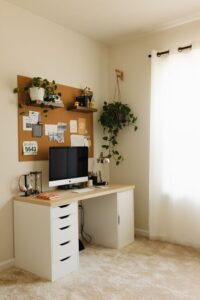
Tips for Creating a Relaxing Home Environment to Boost Everyday Well-Being
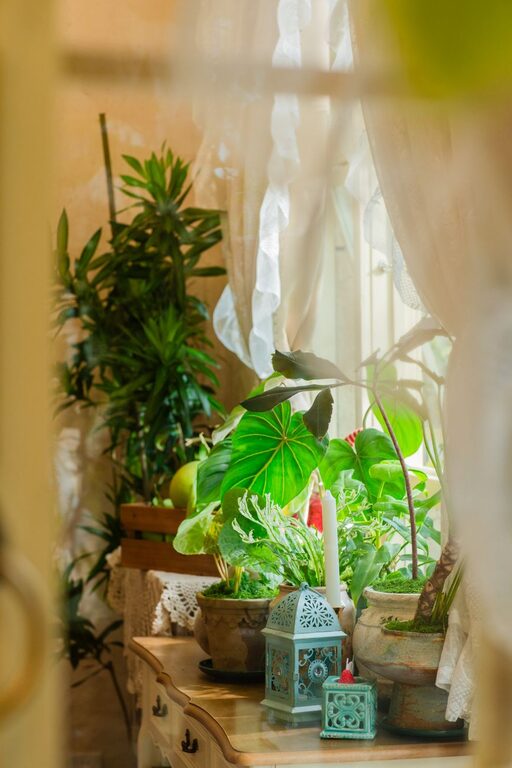
Creating a relaxing home environment is a powerful way to support your well-being every day. The space where you live can either energize you or drain you, depending on how it’s designed and maintained. By making thoughtful choices in your home’s atmosphere and layout, you can foster calmness, reduce stress, and promote overall happiness.
In this guide, we’ll explore easy and effective tips to help you turn your home into a peaceful sanctuary.
1. Declutter and Simplify Your Space
Clutter is often a source of mental chaos. When your surroundings are messy, it’s harder to feel calm and focused. Start by:
– Sorting through belongings: Keep only what you love or need.
– Organizing storage: Use bins, shelves, and drawers to reduce visual clutter.
– Adopting a minimalist mindset: Try to avoid accumulating unnecessary items.
A clean, organized home helps clear your mind and creates an inviting atmosphere.
2. Choose Calm and Soothing Colors
Colors influence mood in subtle but powerful ways. To promote relaxation:
– Opt for muted tones: Soft blues, greens, and neutrals often have calming effects.
– Avoid overly bright or harsh colors: These may increase stimulation or stress.
– Use accent colors mindfully: Gentle pastels or earth tones work well for accents.
Consider painting walls or adding accessories like cushions, rugs, or curtains in these soothing hues.
3. Bring Nature Inside
Natural elements foster a sense of peace and connection. You can incorporate nature by:
– Adding indoor plants: They improve air quality and add life to your space.
– Using natural materials: Wood, stone, cotton, or wool textures add warmth and grounding.
– Letting in natural light: Open curtains or blinds during the day to brighten rooms.
Even small touches like a vase of flowers or nature-inspired artwork can boost relaxation.
4. Create Cozy and Comfortable Spots
Having areas dedicated to relaxation encourages you to take breaks and unwind. Try to:
– Set up a reading nook: Include a comfy chair, good lighting, and soft blankets.
– Invest in quality bedding: Comfortable pillows and sheets support restful sleep.
– Use soft textiles: Rugs and cushions add comfort and warmth underfoot.
Design these spaces to be inviting places where you look forward to spending time.
5. Use Lighting to Set the Mood
Lighting plays a crucial role in ambiance. To create a soothing environment:
– Incorporate layers of lighting: Combine overhead, task, and accent lighting.
– Choose warm light bulbs: They mimic natural sunset tones and help you relax in the evening.
– Add dimmers: Adjust light levels according to activity and time of day.
– Consider candles or salt lamps: These add gentle, flickering light that feels cozy.
Good lighting can ease eye strain and reduce tension.
6. Incorporate Pleasant Aromas
Scent influences emotions and can enhance relaxation. Consider:
– Essential oil diffusers: Lavender, chamomile, or eucalyptus are popular relaxing scents.
– Scented candles: Choose natural soy or beeswax candles with subtle fragrances.
– Fresh herbs or flowers: Rosemary, mint, or jasmine brighten air with gentle aromas.
Avoid overpowering smells which might have the opposite effect.
7. Minimize Noise and Distractions
A peaceful environment is often quiet or filled with gentle sounds. To reduce noise:
– Use rugs and curtains: They absorb sound and prevent echo.
– Seal windows and doors: Proper insulation reduces outside noise.
– Play calming background sounds: Soft music, nature sounds, or white noise machines can mask distractions.
Creating an auditory oasis supports concentration and rest.
8. Establish a Technology-Free Zone
Technology can be stimulating and interrupt downtime. To encourage relaxation:
– Designate areas without screens: Keep devices out of bedrooms or reading nooks.
– Use “Do Not Disturb” modes: Limit notifications during quiet hours.
– Replace screen time with calming activities: Reading, journaling, or meditation promote mental peace.
Setting boundaries around technology helps you disconnect and recharge.
9. Personalize Your Space with Meaningful Items
Your surroundings should feel uniquely yours. Adding personal touches helps build comfort:
– Display photos: Pictures of loved ones or happy memories create warmth.
– Incorporate artwork: Choose pieces that inspire or calm you.
– Use items from nature or travel: Shells, stones, or souvenirs carry positive associations.
When your home reflects your personality and values, it becomes a nurturing retreat.
10. Maintain Your Sanctuary Regularly
A relaxing home requires ongoing care. To keep your space inviting:
– Establish daily tidying habits: Spending just a few minutes each day prevents overwhelming mess.
– Keep plants healthy: Water and prune regularly.
– Refresh textiles: Wash bedding and curtains often to maintain freshness.
Consistency helps your home remain a place where you feel peaceful and restored.
—
Creating a relaxing home environment doesn’t require expensive makeovers or complicated changes. Small, intentional steps can make your living space more comforting and supportive of your well-being. By focusing on simplicity, nature, lighting, and personal touches, you can build a sanctuary that helps you navigate everyday stress with calm and clarity. Start with one or two tips today and enjoy the lasting benefits of a peaceful home.