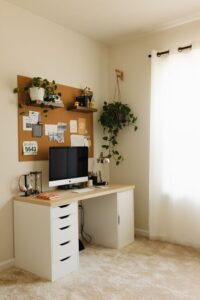
Tips for Creating a Relaxing Home Office Environment
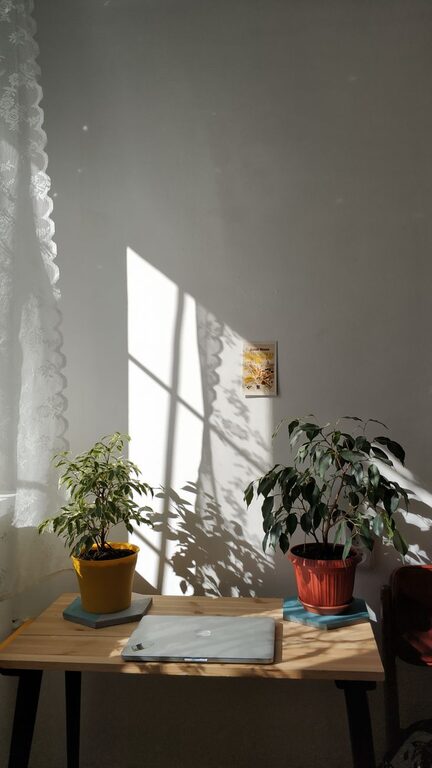
Creating a relaxing home office environment is essential for maintaining focus, reducing stress, and boosting productivity. Whether you work from home full-time or occasionally, your workspace plays a big role in how comfortable and efficient you feel. Here are practical tips to help you design a calming and inspiring home office.
Choose the Right Location
Your home office should be set up in a quiet spot with minimal distractions. If possible, select a room or a corner where noise and foot traffic are low. This helps create a clear boundary between work and personal life.
Consider Natural Light
Natural light improves mood and focus. Position your desk near a window to enjoy sunlight throughout the day. If this isn’t possible, use full-spectrum or daylight bulbs to mimic natural light and reduce eye strain.
Invest in Comfortable Furniture
Sitting comfortably supports better posture and reduces fatigue. Here’s what to consider:
– Ergonomic Chair: Choose a chair with adjustable height and lumbar support.
– Desk Height: Make sure your desk is the right height, so your arms rest comfortably when typing.
– Footrest: A footrest can help align your posture and improve circulation.
Keep Your Space Organized
Clutter can cause stress and distract you from tasks. An organized space feels more peaceful and helps you stay on track.
– Use storage solutions like shelves, bins, and drawers.
– Keep frequently used items within arm’s reach.
– Declutter regularly to maintain a tidy environment.
Add Personal and Calming Touches
Incorporate items that make your space inviting and relaxing:
– Plants: Indoor plants improve air quality and add a calming natural element.
– Artwork: Choose art that inspires and soothes you.
– Soft Textiles: Cushions, rugs, or curtains can help soften the space and add warmth.
Manage Noise Levels
Noise can be a major distraction, so it’s important to create a peaceful sound environment.
– Use noise-canceling headphones if you can’t control external sounds.
– Consider a white noise machine or soft background music to mask disruptive noises.
Control Temperature and Air Quality
A comfortable temperature and fresh air can help you concentrate better.
– Use a fan, heater, or air conditioner to maintain an ideal temperature.
– Open windows when weather permits to let in fresh air.
– Use an air purifier if your home has dust or allergens.
Optimize Lighting for Productivity
Lighting directly impacts how you feel and work.
– Avoid harsh overhead lighting.
– Use desk lamps with adjustable brightness and color temperature.
– Position lights to reduce screen glare and shadows.
Set Boundaries and Routine
Creating a relaxing environment isn’t just about the physical setup, but also your habits.
– Set specific work hours to separate your professional and personal time.
– Take regular breaks away from screens.
– Personalize your schedule to include moments of stretching, deep breathing, or short walks.
Use Technology Wisely
Technology can enhance or disrupt your work environment.
– Use apps and tools to minimize distractions.
– Keep cables and devices organized to avoid clutter.
– Choose ergonomic keyboards and mice for comfort.
Final Thoughts
A relaxing home office environment helps create a healthy work-life balance. By thoughtfully selecting your space, furniture, lighting, and decor, you can build a workspace that supports focus, reduces stress, and makes working from home a more enjoyable experience. Remember, small changes can make a big difference, so start with one or two adjustments and build from there.